

News Information
New Release
The Essential Guide to Hydraulic Hoses in Industrial Equipment
Hydraulic hoses are crucial components in the realm of industrial equipment and machinery. They serve as conduits for transferring hydraulic fluids, enabling various systems to function effectively. Understanding the characteristics and applications of hydraulic hoses is essential for professionals in the industry, as they directly impact the efficiency, safety, and reliability of machinery. Typic
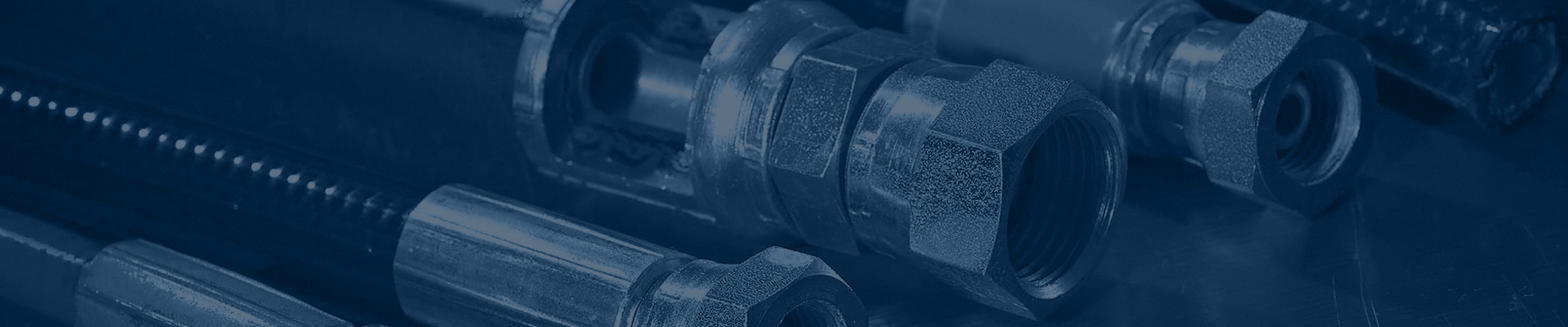
Typically made from multiple layers of synthetic rubber and reinforced with materials such as steel wire or textile, hydraulic hoses are designed to withstand high pressures and resist wear and tear. The construction of these hoses allows them to handle the intense pressures typical in hydraulic systems, which can exceed thousands of psi. The inner tube carries the hydraulic fluid, while the outer layer protects against external damage and environmental factors.
One of the key applications of hydraulic hoses is in machinery that requires fluid power to operate. This includes construction equipment, agricultural machinery, and various manufacturing tools. For instance, excavators and backhoes rely heavily on hydraulic systems to perform tasks like lifting heavy loads or digging. The efficacy of these machines largely depends on the quality and condition of the hydraulic hoses used.
Maintenance of hydraulic hoses is paramount to ensure operational efficiency. Regular inspections for wear, leaks, and damage are essential to prevent system failures. In many cases, hydraulic hoses may need replacement if they show signs of fraying, cracking, or bulging. Additionally, ensuring that hoses are properly routed and secured can prevent abrasion and reduce the risk of premature failure.
When selecting hydraulic hoses, professionals should consider factors such as the operating pressure, temperature, and the type of hydraulic fluid being used. Different applications may require specific types of hoses, such as those designed for high-pressure environments or those meant for extreme temperatures. Understanding these specifications helps in choosing the right hose for the job, which is critical for maintaining optimal performance and safety.
In conclusion, hydraulic hoses are indispensable in industrial equipment, playing a vital role in the transfer of hydraulic fluids. Their durability and reliability are key to the performance of various machines. By understanding the importance of these components and adhering to proper maintenance practices, industrial professionals can ensure the longevity and efficiency of their equipment. As you work with hydraulic systems, always prioritize selecting the correct type of hydraulic hose tailored to your specific applications, which will ultimately enhance the performance and safety of your operations.
Keywords
Contact Us
Address: No.1, Duqiao Industrial Zone, Jingxian County, Hengshui City, Hebei Province


Product Series
Focus on rubber and plastic new material development, research and development and experiment, as well as high-pressure hose, metal hose, resin pipe and other related products production and sales
Pay attention to mobile phone website
