

News Information
New Release
Understanding Hydraulic Hoses: Essential Components for Industrial Equipment
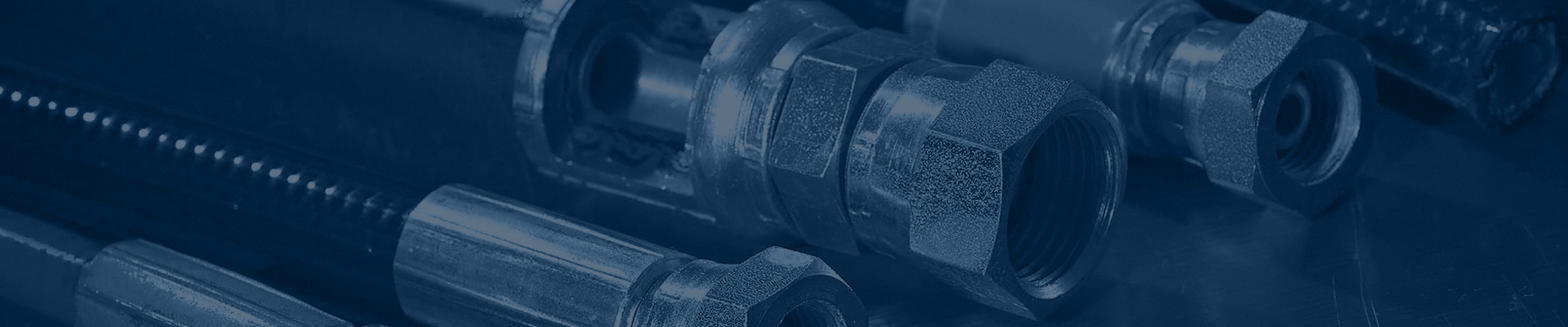
Hydraulic hoses are vital components in many industrial applications, facilitating the transfer of hydraulic fluid with minimal leakage and maximum efficiency. They are designed to withstand high pressure and temperature, making them suitable for use in demanding environments typical of heavy machinery and equipment. One of the primary features of hydraulic hoses is their construction. Typically,
One of the primary features of hydraulic hoses is their construction. Typically, they consist of three main components: the inner tube, reinforcement layers, and an outer cover. The inner tube is made from materials that can handle the specific types of hydraulic fluids used in various applications, such as oil, water-based solutions, or chemicals. The reinforcement layers, which may include steel wire or textile fibers, provide strength and flexibility, allowing the hose to withstand high pressures without bursting. Finally, the outer cover protects the hose from environmental factors, such as abrasion, UV exposure, and chemical spills.
The applications of hydraulic hoses are extensive. In construction, they are used to operate machinery such as excavators and bulldozers. In manufacturing, hydraulic hoses are essential for powering equipment like presses and conveyors. Additionally, they are utilized in the agricultural sector for tractors and other hydraulic-operated implements. Each application may require specific types of hoses tailored to the pressures, temperatures, and fluid types involved.
Maintaining hydraulic hoses is crucial for ensuring the safe and efficient operation of machinery. Regular inspections should be conducted to check for signs of wear, such as cracks, bulges, or leaks. It is also important to ensure that hoses are routed properly to avoid kinking or rubbing against other components, which can lead to premature failure. Additionally, maintaining the correct fluid levels and using compatible fluids can significantly extend the lifespan of hydraulic hoses.
When selecting hydraulic hoses for your equipment, consider factors such as operating pressure, temperature range, and the type of fluid being conveyed. Understanding these parameters can help you choose the right hose, ultimately improving the efficiency and reliability of your machinery.
In conclusion, hydraulic hoses are indispensable in the operation of industrial equipment. Their design, application, and maintenance are fundamental to achieving optimal performance in various sectors. Professionals must stay informed about the characteristics and best practices associated with hydraulic hoses to ensure their machinery operates efficiently and safely.
Keywords
Contact Us
Address: No.1, Duqiao Industrial Zone, Jingxian County, Hengshui City, Hebei Province


Product Series
Focus on rubber and plastic new material development, research and development and experiment, as well as high-pressure hose, metal hose, resin pipe and other related products production and sales
Pay attention to mobile phone website
