

News Information
New Release
Understanding Metal Hoses: Essential Insights for Industrial Equipment
Metal hoses are integral components in various industrial applications, serving as flexible connectors that can handle high-pressure and high-temperature environments. Their unique construction, typically made from stainless steel or other alloys, allows them to withstand harsh conditions while maintaining flexibility. In industries such as chemicals, food processing, and pharmaceuticals, metal ho
One of the primary advantages of metal hoses is their resistance to corrosion and wear. Unlike rubber or plastic hoses, which can degrade over time, metal hoses maintain their integrity even when exposed to aggressive substances. This durability reduces the risk of leaks and failures, making them a reliable choice for critical applications. Additionally, metal hoses can operate at extreme temperatures, ranging from cryogenic conditions to high heat, thereby making them suitable for a diverse array of tasks.
When considering the use of metal hoses in industrial equipment, it’s crucial to understand the different types available. There are various designs, including annular, helical, and braided, each offering distinct benefits based on the application. For instance, braided metal hoses provide enhanced strength and support but may be less flexible than annular types, which are designed for greater movement and flexibility. Understanding the specific requirements of your application will help in selecting the right type of metal hose.
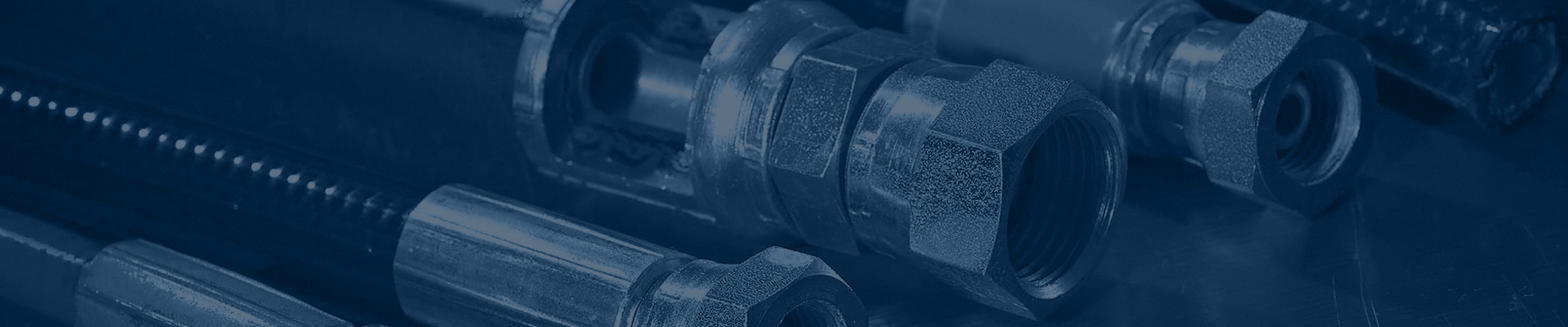
Another critical factor is the hose's end fittings, which play a vital role in ensuring a secure connection to the equipment. There are multiple fitting configurations available, such as threaded, flanged, and quick-connect, each designed for specific applications. Proper fitting selection is essential to prevent leaks and ensure the safe operation of the system.
Furthermore, maintenance and inspection of metal hoses should not be overlooked. Regular checks for signs of wear, corrosion, or kinking can prevent unexpected failures and costly downtime. Implementing a routine maintenance schedule can significantly extend the life of the hoses and improve the overall efficiency of the equipment.
In conclusion, understanding metal hoses is crucial for anyone involved in the industrial equipment sector. Their unique properties and applications make them indispensable in various settings. By carefully considering the type, fittings, and maintenance practices, businesses can leverage metal hoses to enhance their operational efficiency and reliability. This knowledge not only aids in making informed purchasing decisions but also helps in maintaining high safety standards within industrial environments.
Keywords
Contact Us
Address: No.1, Duqiao Industrial Zone, Jingxian County, Hengshui City, Hebei Province


Product Series
Focus on rubber and plastic new material development, research and development and experiment, as well as high-pressure hose, metal hose, resin pipe and other related products production and sales
Pay attention to mobile phone website
